One thing going slightly viral lately is footage of Disney’s “HoloTile” infinite floor, an experimental sort of 360° treadmill developed by [Lanny Smoot]. But how exactly does it …
Spent a lot of time with engineers, but am not one myself. Most grinding discs and things that wear stuff down have a surface made to rip in, and higher opposed friction. Think sandpaper, it digs into a surface with those hills from the grit, and uses the friction to then drag through cutting the surface and removing material.
With this floor, it looks like the wheels are smooth, so all though there’s some friction, it isn’t a cutting action. There’s also the fact that their friction is unopposed and can actually move the person, so the energy gets converted into movement, not the cutting force that would grind things down.
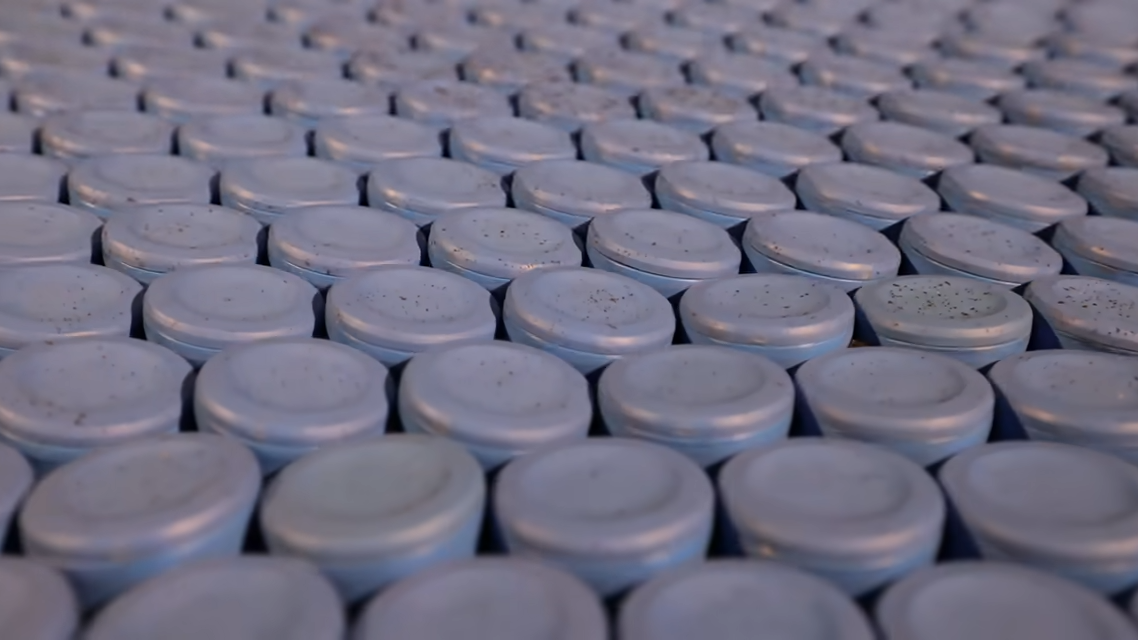
They really are just tiny treadmills, the only reason they’re discs is so they can be tilted to change the direction the “treadmill” is going to push you. If the disc is tilted to the right, the left most edge is going forward, if the disk is tilted to the left, that right edge is moving backwards. Otherwise exact same principle as a treadmill of creating friction to move the object on it.
Hope that helps some. Diagrams would probably help more.
It doesn’t grind anything basically the same way a treadmill doesn’t sand anything. You’re not forcing anything to stay put on the surface, you’re maneuvering on the surface while the surface is counter-moving you.
There’s probably very minimal sliding against that surface. From the point of view of each point of contact, it’s mostly static friction, with very little dynamic friction/slippage.
If you ever run barefoot or in socks on a regular treadmill, you’ll feel that it’s a little bit rougher than just walking around normally. But it’s still not enough to really make noticeable wear on shoes (any more than normal running on pavement is).
Basically, shoe soles are specifically made to be pretty tough, so this type of treadmill shouldn’t be worse than normal.
What… they aren’t spinning at high speeds and “grinding” the surface that’s on them. They only spin as quickly as they need to move the surface. Imagine a treadmill, it’s not going quicker than you are running on it, your shoes never slide on the surface, same here.
I really don’t understand how you have misunderstood this so badly.
Yeah, there’s friction, just like there is friction from walking on marble steps, such as those in the Tower of Pisa. But since they are mostly moving with the object on top of them, wear is reduced. In the end, the little wheels will be working in concert to move whatever object is on them in a given direction, but they are round and so will have a bit of drift in short order, which is managed by putting the wheels at angles so only a portion of one side is touching the object. They are likely made of a moderate friction substance with high durability and are probably replaceable, just like the tires on your car.


deleted by creator
Spent a lot of time with engineers, but am not one myself. Most grinding discs and things that wear stuff down have a surface made to rip in, and higher opposed friction. Think sandpaper, it digs into a surface with those hills from the grit, and uses the friction to then drag through cutting the surface and removing material.
With this floor, it looks like the wheels are smooth, so all though there’s some friction, it isn’t a cutting action. There’s also the fact that their friction is unopposed and can actually move the person, so the energy gets converted into movement, not the cutting force that would grind things down.
They really are just tiny treadmills, the only reason they’re discs is so they can be tilted to change the direction the “treadmill” is going to push you. If the disc is tilted to the right, the left most edge is going forward, if the disk is tilted to the left, that right edge is moving backwards. Otherwise exact same principle as a treadmill of creating friction to move the object on it.
Hope that helps some. Diagrams would probably help more.
It doesn’t grind anything basically the same way a treadmill doesn’t sand anything. You’re not forcing anything to stay put on the surface, you’re maneuvering on the surface while the surface is counter-moving you.
deleted by creator
There’s probably very minimal sliding against that surface. From the point of view of each point of contact, it’s mostly static friction, with very little dynamic friction/slippage.
If you ever run barefoot or in socks on a regular treadmill, you’ll feel that it’s a little bit rougher than just walking around normally. But it’s still not enough to really make noticeable wear on shoes (any more than normal running on pavement is).
Basically, shoe soles are specifically made to be pretty tough, so this type of treadmill shouldn’t be worse than normal.
What… they aren’t spinning at high speeds and “grinding” the surface that’s on them. They only spin as quickly as they need to move the surface. Imagine a treadmill, it’s not going quicker than you are running on it, your shoes never slide on the surface, same here.
I really don’t understand how you have misunderstood this so badly.
deleted by creator
Yeah, there’s friction, just like there is friction from walking on marble steps, such as those in the Tower of Pisa. But since they are mostly moving with the object on top of them, wear is reduced. In the end, the little wheels will be working in concert to move whatever object is on them in a given direction, but they are round and so will have a bit of drift in short order, which is managed by putting the wheels at angles so only a portion of one side is touching the object. They are likely made of a moderate friction substance with high durability and are probably replaceable, just like the tires on your car.