
• 201 Posts
  • 5.6K Comments
Joined 3 years ago
cake
Cake day: July 5th, 2023

help-circle
  • That’s a common idea. It does not explain well what’s been happening though. The Fed has definitey done things to exacerbate inequality and accelerate it but the system creates inequality without the need for Fed intervention. The post-Depression to 80s period was out of the ordinary for inequality and for prosperity of the working class. Look at some wealth share graphs that span into the 19th century or earlier and you’ll see that the system creates these effects even on gold standards with no Fed.

    This is what the US looks like:

    Here’s one going further back in some countries:

    And here’s a more detailed picture in the US and Canada going to the 1920. Note that given the first one, i equality didn’t explode in the 7-year period between the creatiom of the Fed and 1920. It was far high way earlier:

    I believe this fits the rest of the story much much more neatly:

    And I think the alternative explanations proposed by various economists that don’t lean on labour power are a distraction that enables continued inequality growth, while we chase geese.


  • There’s probably going to be some reversal in such a scenario but I think this time it goes deeper than that. People see it’s not just the clowns in the White House, it’s also all major American corporations and their owners. Those won’t change with the coming of Obama v2, and they’re not about to start exracting less from us. Meanwhile China’s gonna keep taking more and more mindshare by delivering more and more high and low tech products in people’s lives. I think a significant reversal that puts the US above China would only occur under an FDR-like figure that curbstomps the whole US oligarchy.


  • You won’t see me disagreeing with that. I’ve been following the AC, CP, CN strikes and I saw what you observed. I think it’s not even primarily for foreign investment, although that probably is a downstrean effect. I think it’s primarily for our own corporations’ owners benefit. They have significant lobbying power, and at least two of the major parties ideologically support firms over workers as many of them still believe in some form of trickle-down free-market economics. It’s bad. There’s been no positive change in direction towards organized labour from the Carney gov’t. I think they’re going to discover that their promises of higher wages would fall flat without strengthening org labour. Perhaps it’s a delayed tactic, an attempt to shore up the economy in these times before they let labour have its share, but that ignores that independent economic strength largely comes from robust domestic demand, which means higher wages. And I don’t believe it anyway. The simpler explanation is the more obvious one.


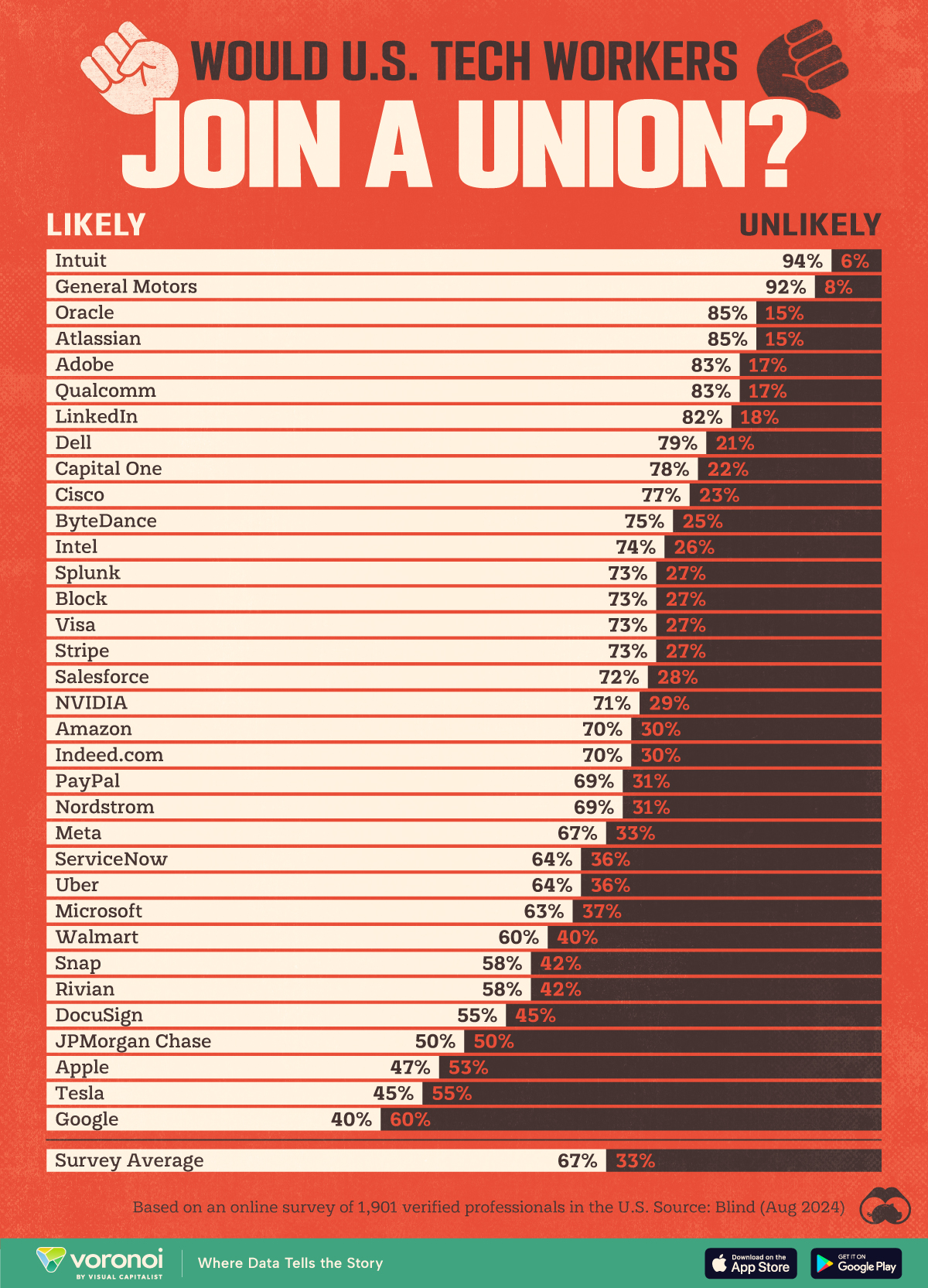
  • Nice theory you got there, shame it doesn’t bear out in practice. In normal labour conditions workers have no leverage over employers to demand higher wages because workers have to take any job available in order to avoid homelessness and hunger. Workers demand for jobs is inelastic. Only in labour shortage scenarios workers have leverage to demand higher wages. But even then industry consolidation counteracts that because large corporations not only have price setting market power in the consumer market but also in the labour market. This is why the only consistent way to create similar leverage for worker in the labour market is unionization. Wages have never grown significantly enough to chip away wealth inequality except in the presence of strong and wide unionization. This is the main reason why increased labour productivity decoupled from wage increases since the 70s and 80s, when union busting started picking up around the world.

    Rapidly increasing labour supply can make wages worse but that’s not the main driver as there have been periods where wages have both been increasing with significant immigration and also others where wages were stagnant without significant immigration.