

2·
18 小时前That’s really clear, thanks. I learned a lot, including learning that I should not try to pronounce Eichhörnchen. :)
That’s really clear, thanks. I learned a lot, including learning that I should not try to pronounce Eichhörnchen. :)
I can pronounce it but I don’t think you have too much to worry about pal…I’ve come across that specific word about three times in my whole life.
So… eye-ch-churn-chen?
First bit like Ike (edit: or Reich)
Eye-ch-urn-ken?
Irish and we have that gutteral Ch sound in Irish so I feel like it’s a cheat code for us.
I think many, many native speakers would struggle with those too so if you’re at that level you’re doing really well. Congrats!
Native. I say suttle. It’s a dirty word from the spelling in fairness.
Roo-ter is usually British and former colonies. Row-ter is north America.

It’s the trickle before the flood 🤞
Oh. My. God. I can’t believe I had Renton in my head instead of Fenton.
My bones are red I’m so embarrassed. I’m not editing it though. It’s my scarlet letter.
Renton! REEENNNTOOOONNNN!!! JESUS CHRIST RENTON!!!
Edit: For the uninitiated.

That’s a tough one. The ol’ competing priorities. Congratulations on the new baby though! I love babies.
I played a little Black Mesa definitive edition. Was fun. I’m not getting much/ any gaming time these days unfortunately.

I did this on one of their videos just last week. Annoyed the piss out of me. I think they changed the title too.

Instant subscribe with bell for me. Looks like they only put out videos every few months.

Yeah I used to work in a chip company many years ago and we had rad hardened chips that had special outer packages instead of the normal consumer ones at a minimum. They’re typically used for space stuff. Still not sure how well they’d hold up in Chernobyl in fairness.
Hell yeah!
It is without doubt my favourite photo of all time. I’m glad you got a “hell yeah” from it too. This thread has some gems.
Absolutely superb video. Thanks for posting. So much detail!










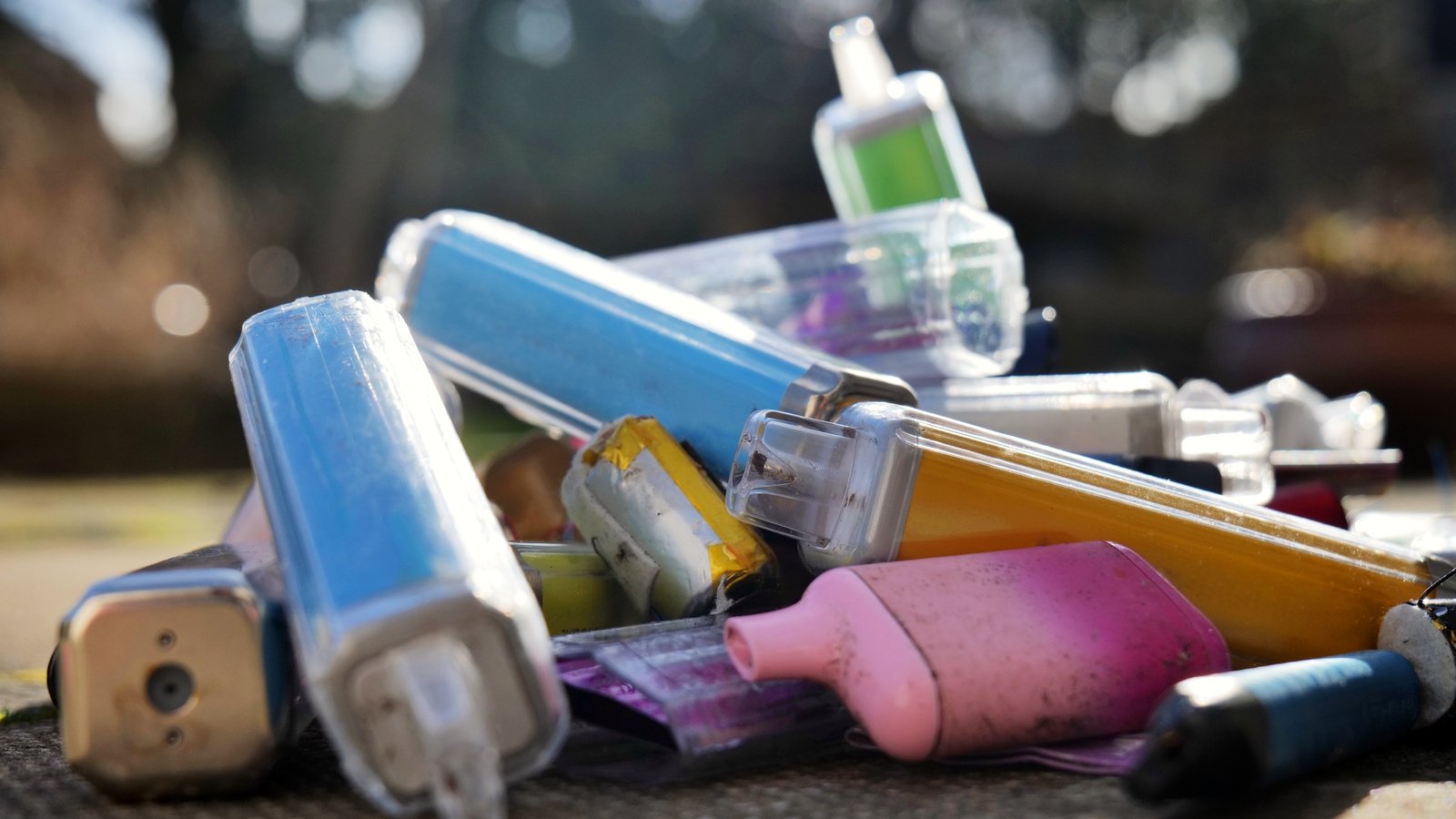





RIP. That’s cruelty.